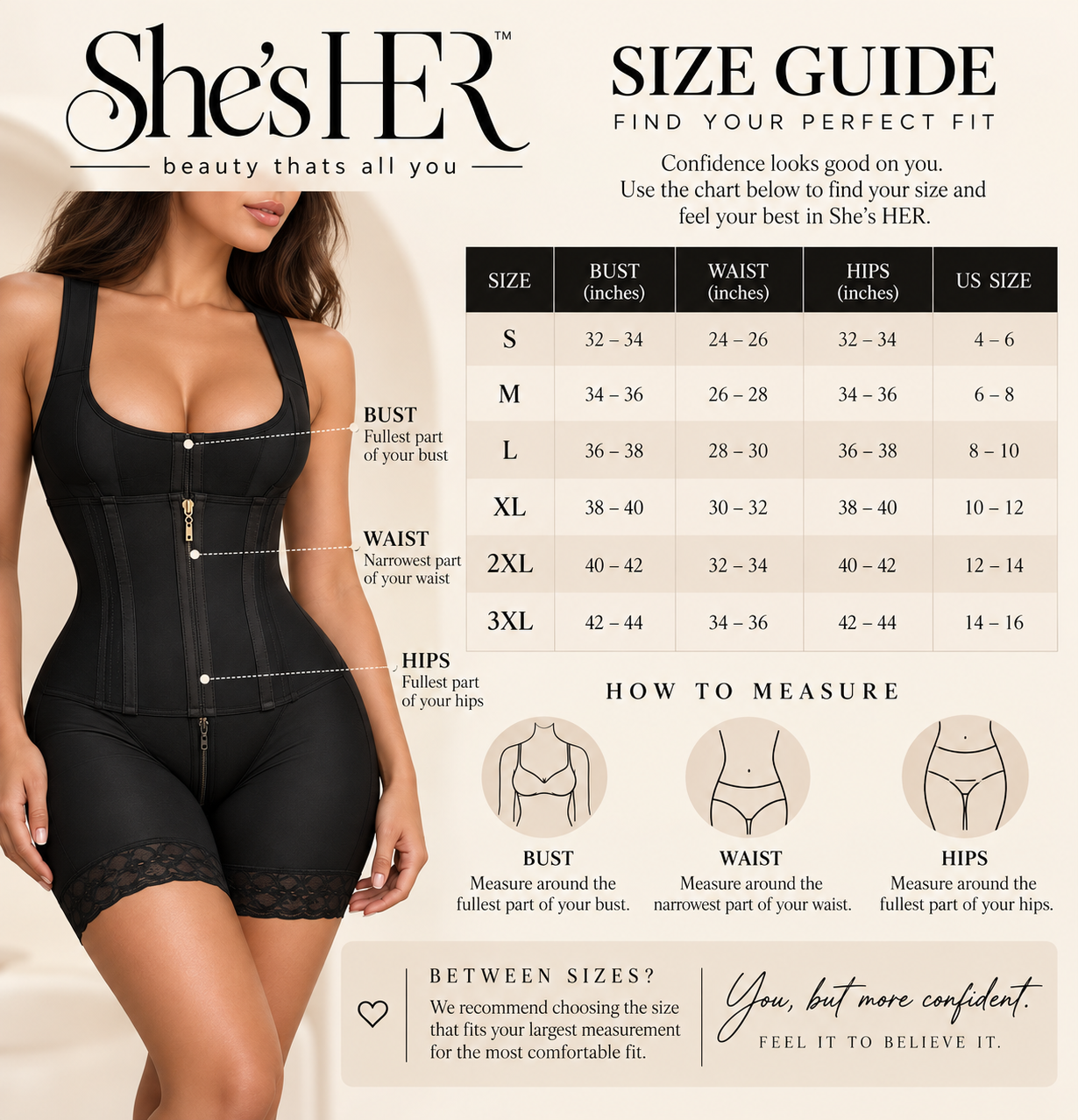

Best overall: high-rise mid-thigh shorts for dresses that cover the leg opening. Best for shorter hems: short-leg shapewear shorts. Best for fuller torso support: a full-body compression bodysuit. This 2026 guide compares high waisted shapewear shorts by dress compatibility and fit, with Sheshershop included as a full-body shapewear alternative—not a shorts recommendation.
- High waisted shapewear shorts with a mid-thigh cut are the default for dresses that cover their leg openings.
- Choose short-leg shorts for shorter hems; check whether the openings show when you sit.
- Sheshershop full-body shapewear is best for women seeking firm torso support rather than separate shaping shorts.
- Match the waistband, seams, leg length, and compression to your dress—not just your usual clothing size.
Why this matters
The best shapewear is the piece that works with your dress and lets you move comfortably. A high waistband alone does not settle the decision. You also need to check the back, thigh openings, fabric, and any closures against the outfit you plan to wear.
Shapewear provides temporary smoothing and support while you wear it. It does not cause weight loss or permanently reshape your body. Your natural curves do not need fixing; the goal is to choose the held-in feel and clothing finish you prefer.
For this 2026 buying guide, the ranking compares garment designs rather than claiming that one untested brand beats another. Start with your dress, then choose the cut.
What makes the best high waisted shapewear shorts?
Use these five criteria before choosing a pair:
- Dress coverage: The waistband and leg openings should stay inside the dress during standing, sitting, and walking.
- Waistband fit: Look for a position that stays comfortable without folding or pressing into your ribs.
- Leg opening fit: The opening should sit comfortably without digging in or creating an unwanted line under the dress.
- Surface finish: Check seams, hems, panels, and closures against the actual dress fabric. A smooth-looking garment is not automatically invisible.
- Comfortable movement: Choose compression that lets you breathe normally, sit, bend, and walk without pain or numbness.
Treat compression and coverage as separate decisions. Stronger compression does not solve a neckline mismatch, and extra leg length does not help if it shows below your hem.
High-waisted shapewear options at a glance
| Rank and option | Best for | Standout design feature | Key limitation |
|---|---|---|---|
| 1. High-rise mid-thigh shorts | Covered-back dresses with room below the shorts hem | Waist and upper-thigh coverage in a separate garment | Waistband and leg edges still need checking |
| 2. High-rise short-leg shorts | Shorter dress hems | Less leg coverage to conceal | Less thigh coverage; openings can show under fitted fabric |
| 3. High-rise long-leg shorts | Longer dresses and fuller thigh coverage | Leg coverage extending farther down the thigh | Unsuitable when the hem or slit exposes the shorts |
| 4. High-rise shorts with low-profile seams | Close-fitting dresses where construction lines matter | Reduced emphasis on raised seams and bulky edges | Low-profile construction does not guarantee invisibility |
| 5. Full Body Sculpt Bodysuit | Firm all-over support instead of separate shorts | Full-body compression in one garment | Not shorts; dress coverage needs a separate check |
The shorts categories can overlap. A mid-thigh pair can also have low-profile seams. Choose the row that solves your main outfit problem, then apply the other fit criteria.
1. Mid-thigh shorts: best for covered-back dresses
High-rise mid-thigh shorts are the default when your dress covers both the waistband and the leg openings. The design combines waist and upper-thigh coverage without adding an upper-body garment. You keep your bra choice separate.
Start here for a dress with a covered back and enough hem length to conceal the shorts during movement. Do not judge the pairing only while standing in front of a mirror. Sitting changes where the dress hem falls relative to the shorts.
Mid-thigh shorts pros:
- Combine waist and upper-thigh coverage.
- Leave your neckline and bra arrangement separate.
- Offer a useful starting point for checking dress compatibility.
Mid-thigh shorts cons:
- The waistband can conflict with a low or open back.
- Leg edges can remain visible through close-fitting fabric.
Best for: Dresses that fully cover a high waistband and mid-thigh leg openings.
Verdict: Buy this cut when it stays covered through your full movement check.
2. Short-leg shorts: best for shorter dress hems
High-rise short-leg shorts prioritize hem clearance. They cover less of the thigh than mid-thigh or long-leg designs, making them the first cut to consider when a shorter dress leaves little room underneath.
The trade-off is straightforward: less fabric to conceal means less thigh coverage. Check the leg opening carefully under a fitted skirt, especially where the dress follows your upper thigh. A shorter cut is not automatically a less visible cut.
Short-leg shorts pros:
- Leave more space between the shorts and dress hems.
- Keep upper-body underwear choices separate.
- Suit an outfit where concealing leg length is the main concern.
Short-leg shorts cons:
- Provide less thigh coverage than longer cuts.
- Put the leg opening higher on the thigh, where its outline needs checking.
Best for: Shorter dresses that still conceal the waistband and shorts when you sit.
Verdict: Buy for hem clearance; skip if you want coverage farther down the thigh.
3. Long-leg shorts: best for fuller thigh coverage
High-rise long-leg shorts extend farther down the thigh. Choose this design when you want that additional coverage and your dress has enough length to hide it.
A long dress is not automatically compatible. A slit can expose shapewear even when the main hem reaches well below it. Check the opening while stepping forward and sitting, not just while keeping both legs together.
Long-leg shorts pros:
- Provide coverage farther down the thigh.
- Suit dresses with enough concealed space beneath the skirt.
- Keep torso coverage limited to a separate high waistband.
Long-leg shorts cons:
- Need more dress length to remain concealed.
- Can conflict with slits or shorter front hems.
Best for: Longer dresses without openings that reveal the shorts during movement.
Verdict: Buy for fuller thigh coverage; skip when the slit exposes the leg panel.
4. Low-profile shorts: best for close-fitting dress fabrics
High-rise shorts with low-profile seams address construction visibility. Look closely at the waistband, leg hems, panel joins, and any fasteners rather than relying on a smooth appearance in the product photo.
This is a construction choice, not a specific compression level. You still need the right waist height and leg length. In 2026, the practical test remains the same: inspect the shapewear beneath the dress you will actually wear.
Low-profile shorts pros:
- Prioritize less prominent seams and edges.
- Let you evaluate surface finish separately from compression.
- Fit an outfit where visible construction lines are the main concern.
Low-profile shorts cons:
- Do not guarantee an invisible finish under thin or fitted fabric.
- Still need a movement test for waistband and leg placement.
Best for: Close-fitting dresses where seam outlines matter more than added coverage.
Verdict: Buy only after the dress test; skip any pair whose edges remain distracting to you.
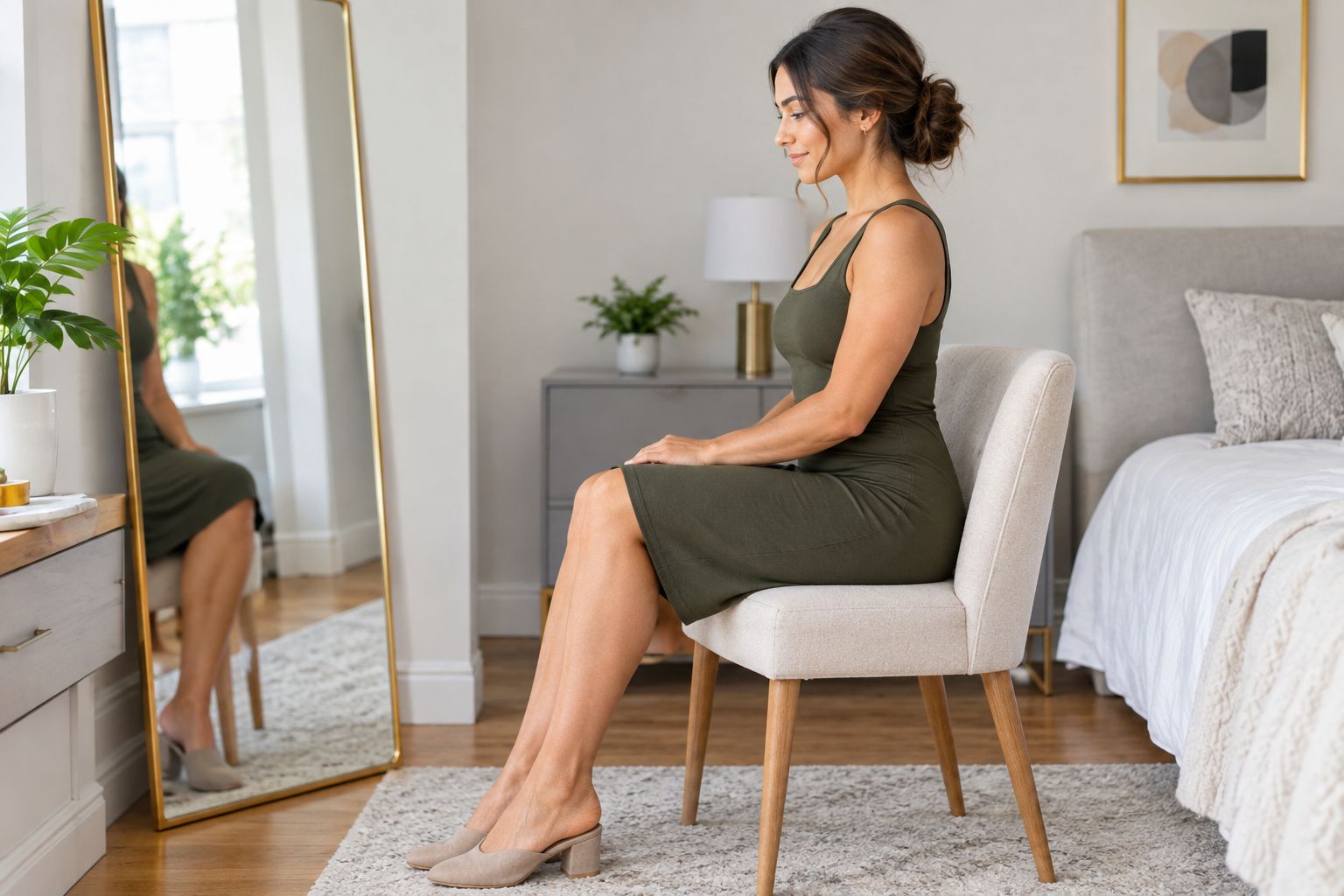
A neutral fitting scene makes the key point: assess the dress and shorts together, including the seated position. The outfit—not the shapewear by itself—is what you will see and wear.
5. Full Body Sculpt Bodysuit: best for firm all-over support
The Full Body Sculpt Bodysuit is a different choice from high-waisted shorts. Its supplied product description identifies firm, all-over compression, tummy smoothing, and waist definition. Choose this category when separate shorts do not match the amount of torso support you want.
Sheshershop full-body shapewear is best for women seeking firm all-over support under dresses rather than separate shaping shorts. That is a coverage decision, not a claim that the garment works beneath every neckline or fabric.
Before choosing the bodysuit, compare its visible coverage and construction with your dress. Check the neckline, back opening, arm openings, hem, and any closures. Keep expectations focused on temporary smoothing and support during wear.
Full Body Sculpt Bodysuit pros:
- Provides firm, all-over compression in one garment.
- Offers tummy smoothing, as stated in its description.
- Adds a full-body option when separate shorts are not your preferred format.
Full Body Sculpt Bodysuit cons:
- Is not a high-waisted shorts product.
- Requires dress-specific checks for upper-body coverage and visible construction.
Best for: Women choosing firm full-body support beneath a compatible dress.
Verdict: Buy for the full-body format; skip if you specifically need separate shorts.
Check the fit before committing to the outfit
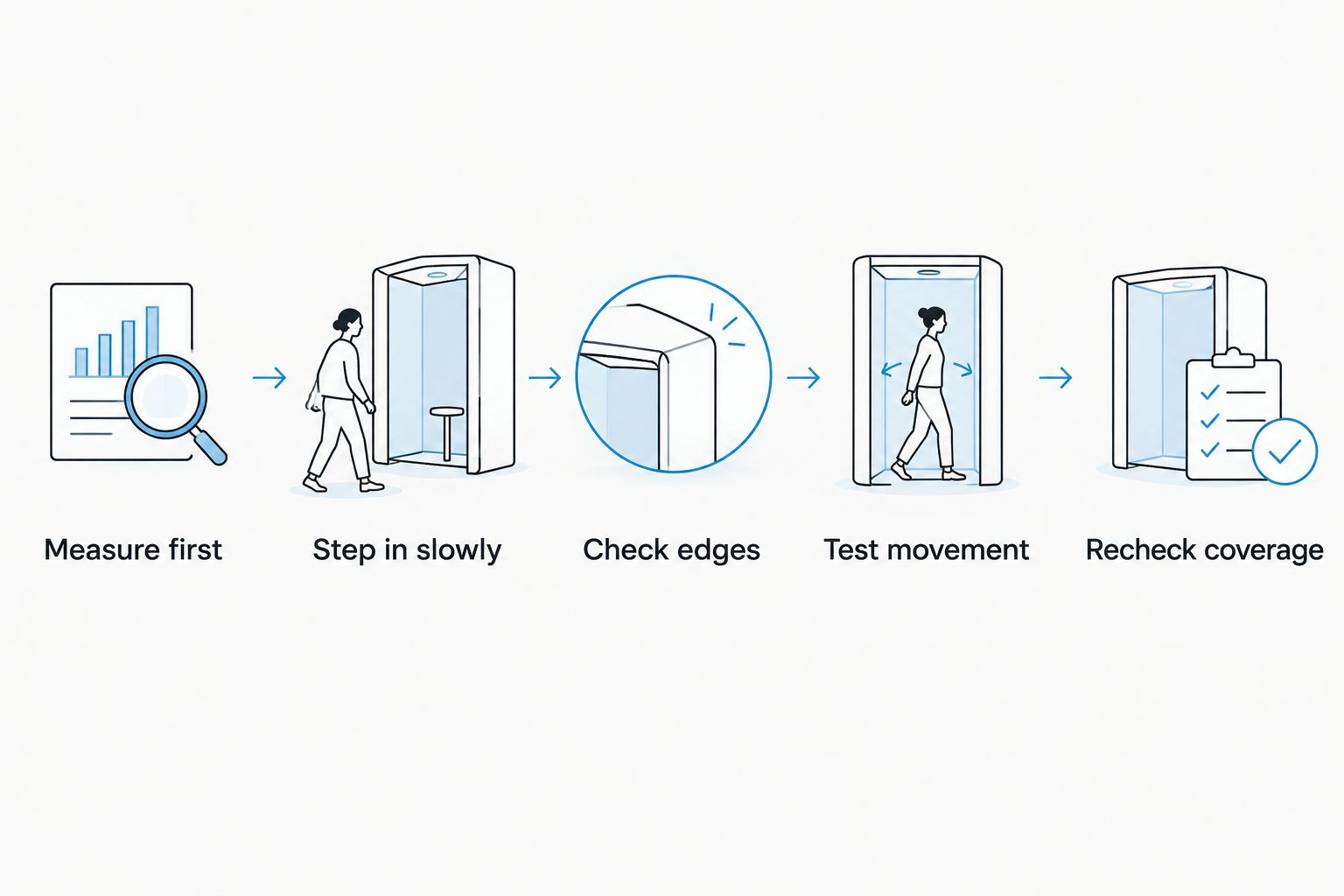
Use this five-step fitting sequence for your 2026 dress plans. Keep the actual dress nearby; checking shapewear alone cannot establish whether its edges show through or sit outside the outfit.
Measure first
Take 3 measurements: waist, hips, and the thigh where the leg opening will sit. Follow the garment's size chart and measurement instructions. Do not select a smaller size simply to chase a firmer feel.
If the chart requests additional measurements, take those too. Your usual dress size is not a substitute for the shapewear maker's sizing guidance.
Step in slowly
Follow the garment's dressing instructions and work the fabric into position gradually. Avoid pulling everything upward from the waistband alone.
Check that the leg panels sit evenly before judging the waist. Twisted or uneven fabric makes it harder to assess the intended fit.
Check edges
Inspect the waistband, leg hems, and any closures without the dress first. Look for folding, digging, or uneven placement.
Then put the dress on. Check the front, sides, and back in ordinary light, paying attention to areas where the fabric lies close to the shapewear.
Test movement
Check 2 positions: standing and seated. Then walk, bend, and take a comfortable step forward to test the dress hem or slit.
You should be able to breathe normally and move without pain or numbness. Remove a garment that causes either; more pressure is not a better fit.
Recheck coverage
After moving, inspect the waistband and leg openings again. Confirm that the neckline, back, hem, and slit still conceal the garment where you want them to.
Keep the pair that works after movement, not just the pair that looks smooth before it.
How the options were ranked
The 2026 ranking puts dress compatibility first: mid-thigh coverage as the default, shorter legs for hem clearance, longer legs for fuller thigh coverage, and low-profile construction for visible-line concerns. The full-body option addresses a separate need for firm all-over support.
These are design recommendations, not laboratory-tested product rankings. The deciding criteria are coverage, waistband fit, leg opening fit, surface finish, and comfortable movement. No cut wins every outfit.
Which high-waisted shapewear shorts should you choose?
Choose high-rise mid-thigh shorts first if your dress fully covers them. Change the cut only when the outfit gives you a clear reason: a shorter hem, a longer coverage preference, or visible construction lines.
Choose Sheshershop when your priority is firm full-body shapewear rather than separate shorts. Keep that decision separate from dress compatibility; you still need to check the garment against the neckline, back, and skirt.
Do not buy several cuts merely because each has a different label. Identify the mismatch in your current outfit, then choose the design that addresses it.
FAQ
What's the best cut for high waisted shapewear shorts?
High-rise mid-thigh shorts are the default for dresses that fully cover the waistband and leg openings. Choose a shorter or longer leg only when your dress or coverage preference calls for it.
Are high-waisted shapewear shorts better than a full-body bodysuit?
High-waisted shorts are better when you want separate waist and thigh coverage; a full-body bodysuit suits an all-over support preference. Neither format is automatically compatible with every dress.
What shapewear shorts should I wear under a short dress?
Start with a short-leg cut and check it while seated. Reject the pairing if the shorts appear below the hem during normal movement.
Can I wear high-waisted shorts under a satin dress?
Yes, if the waistband, seams, and leg openings give you the finish you want beneath that specific dress. Inspect the outfit in ordinary light and while moving; no shorts design guarantees invisibility.
Should I size down for stronger compression?
No—choose your size using the garment's measurement chart rather than deliberately sizing down. You should be able to breathe normally, sit, and walk without pain or numbness.
Why do my shapewear shorts show under my dress?
Visible lines come from a mismatch between the dress fabric and the garment's edges, seams, coverage, or fit. Check the exact location of the line before choosing a different cut.
Does shapewear permanently change my waist?
No—shapewear provides temporary smoothing and support while worn. It does not cause weight loss or permanently reshape your body.
One last thing
For your 2026 outfit check, look at the dress from behind after sitting and standing again. The back view deserves the same attention as the front.
A pair can look right at the waist yet fail at the hem or slit. Let comfortable movement and actual dress coverage make the final decision.