
Best overall for covered gowns: Full Body Sculpt Bodysuit – Firm Compression Shapewear | She's HER. Best for exposed backs: low-back shapewear. Best for minimal coverage: shaping briefs. Your best shapewear for wedding dress wear in 2026 is the option that stays inside the gown’s coverage and lets you move comfortably.
- Sheshershop full-body shapewear suits brides seeking firm support under covered gowns; check neckline, back, and hem compatibility.
- Choose shapewear for wedding dress wear by gown coverage first, compression preference second.
- Low-back shapewear and strapless shapewear solve different coverage problems; neither guarantees invisible edges.
- Test bridal shapewear under the actual dress while sitting, walking, reaching, and bending.
Why this matters
A wedding dress sets the boundaries for your underwear. A supportive bodysuit is the wrong choice if its back shows above your gown, and a lower-body garment is the wrong choice if its waistband creates a visible line.
For a 2026 wedding, bring your intended shapewear to dress fittings rather than choosing it after alterations. Shapewear provides temporary smoothing and support while you wear it. It does not produce weight loss or permanently change your shape, and wearing it is optional.
What makes the best shapewear for a wedding dress
- Neckline compatibility: Straps, cups, and upper edges must remain within the dress’s coverage, including when you lean forward.
- Back coverage: Compare the shapewear’s actual back edge with your gown’s lowest exposed point.
- Hem clearance: Leg openings must stay above the dress hem and away from any slit during movement.
- Surface finish: Check seams, closures, and edges beneath the actual fabric; a product description cannot establish invisibility.
- Firm but manageable fit: Choose support that lets you breathe normally, sit, and walk without pain or restriction.
- Practical access: Understand how you will put the garment on, remove it, and use the bathroom before choosing it.
Wedding shapewear at a glance
These are outfit-matched recommendations, not a claim that one garment works beneath every gown. Only the first option below is a specific store product; the others are design categories to evaluate against your dress.
| Item or design | Best for | Standout feature | Key limitation |
|---|---|---|---|
| Full Body Sculpt Bodysuit – Firm Compression Shapewear | She's HER | Covered gowns and firm full-body support | Firm, all-over compression in one garment | Neckline, back, closures, and leg coverage need a dress-specific check |
| Low-back shapewear | Gowns with an exposed back | A back edge designed for lower coverage | Low-back designs differ; match the exact cutout |
| Strapless shapewear | Strapless gowns with covered backs | No shoulder straps to conceal | Upper edges and garment stability still need testing |
| Shaping shorts | Fitted skirts with thigh coverage | Lower-body coverage without an upper bodice | Waistband and leg edges can show; unsuitable when exposed by a slit |
| Shaping briefs | Gowns needing limited lower-body smoothing | Less leg coverage than shorts | No thigh coverage; waistband and brief edges need checking |
1. Full Body Sculpt Bodysuit: best for covered wedding gowns
The Full Body Sculpt Bodysuit – Firm Compression Shapewear | She's HER provides firm, all-over compression in one garment. Its product description identifies tummy smoothing and waist definition. Treat those as temporary effects while the bodysuit is worn, not permanent changes.
Sheshershop full-body shapewear is best for brides seeking firm support under covered wedding gowns. That recommendation depends on confirming the garment’s boundaries beneath your particular dress. Do not assume that full-body coverage will work with a plunge neckline, exposed back, or high slit.
Full Body Sculpt Bodysuit pros:
- Firm compression for readers who prefer a held-in feel.
- All-over support in one garment.
- Tummy and waist coverage identified in the product description.
Full Body Sculpt Bodysuit cons:
- Full-body coverage gives you more edges to check against the gown.
- Firm compression requires careful sizing and a movement test.
- No garment can be declared invisible beneath every wedding fabric.
Best for: A covered gown when you want firm full-body support rather than isolated waist or thigh coverage.
Verdict: Buy only after confirming the neckline, back, leg coverage, and movement fit.
2. Low-back shapewear: best for exposed-back wedding dresses
Low-back shapewear uses a lower back profile to accommodate gowns that expose skin below a conventional underwear line. The category includes different constructions, so the words low-back alone do not establish compatibility.
Compare the garment’s upper back edge with the dress while standing and leaning forward. If your gown has an open back combined with a plunge front, both boundaries must work; solving the back does not solve the neckline.
Low-back shapewear pros:
- Addresses the exposed-back boundary directly.
- Keeps the selection focused on the gown’s visible cutout.
- Offers an alternative when conventional full-body coverage shows.
Low-back shapewear cons:
- A low back is not the same as a completely backless design.
- Side edges and straps can remain visible around cutouts.
- Support and compression coverage depend on the individual garment.
Best for: A gown with an exposed back where an ordinary bodysuit’s upper edge would show.
Verdict: Buy a low-back design only when its actual outline stays inside your dress.
3. Strapless shapewear: best for strapless, covered-back gowns
Strapless shapewear removes shoulder straps from the coverage equation. It is a design choice for gowns with bare shoulders, not proof that the garment supplies the bust support your dress requires.
Inspect the upper edge across the front, sides, and back. Raise your arms and sit down in the complete outfit; if the garment shifts or you repeatedly adjust it, choose a different fit or construction.
Strapless shapewear pros:
- No shoulder straps to hide beneath a strapless neckline.
- Lets you assess upper-edge coverage independently of straps.
- Fits the specific coverage needs of bare-shoulder gowns.
Strapless shapewear cons:
- A strapless design does not automatically accommodate a low back.
- The upper edge can show through fitted fabric.
- Bust support and resistance to shifting vary by garment.
Best for: A strapless gown with enough back and bodice coverage to conceal the garment.
Verdict: Buy only if the upper edge stays covered and stable during movement.
4. Shaping shorts: best for fitted skirts with thigh coverage
Shaping shorts provide lower-body coverage that extends onto the thighs without adding an upper bodice. Choose this design when your dress already handles the upper-body fit and you specifically want coverage beneath the skirt.
Compare both the waistband and leg openings with the dress. A skirt that conceals shorts while you stand can reveal them through a slit when you walk, cross your legs, or sit.
Shaping shorts pros:
- Provides thigh coverage that briefs do not.
- Avoids extra straps or upper-back coverage.
- Keeps the choice focused on the skirt portion of the gown.
Shaping shorts cons:
- The waistband can create a visible transition.
- Leg openings can show through closely fitted fabric.
- Slits and shorter hems can expose the garment.
Best for: A fitted skirt with enough length and coverage to hide the shorts throughout movement.
Verdict: Buy if the waistband and leg edges pass the actual-dress test; skip if a slit exposes them.
5. Shaping briefs: best for limited lower-body smoothing
Shaping briefs offer a smaller coverage footprint than shorts or a full-body bodysuit. Choose them when you want lower-body smoothing without thigh coverage, and the dress does not require an upper-body garment.
Check the brief outline from the side and rear as well as the front. Less coverage does not automatically mean less visibility: a brief edge or waistband can still show under a fitted skirt.
Shaping briefs pros:
- Leaves the thighs uncovered.
- Avoids upper-body coverage beneath complicated necklines.
- Suits a targeted rather than full-body coverage preference.
Shaping briefs cons:
- Does not provide thigh coverage.
- Brief edges can show under fitted fabric.
- Waistband placement still needs checking against the gown.
Best for: A gown where limited lower-body smoothing is enough and leg coverage would interfere with the outfit.
Verdict: Buy for targeted coverage; skip if your priority is firm full-body support.
Fit your shapewear to the dress, not the other way around
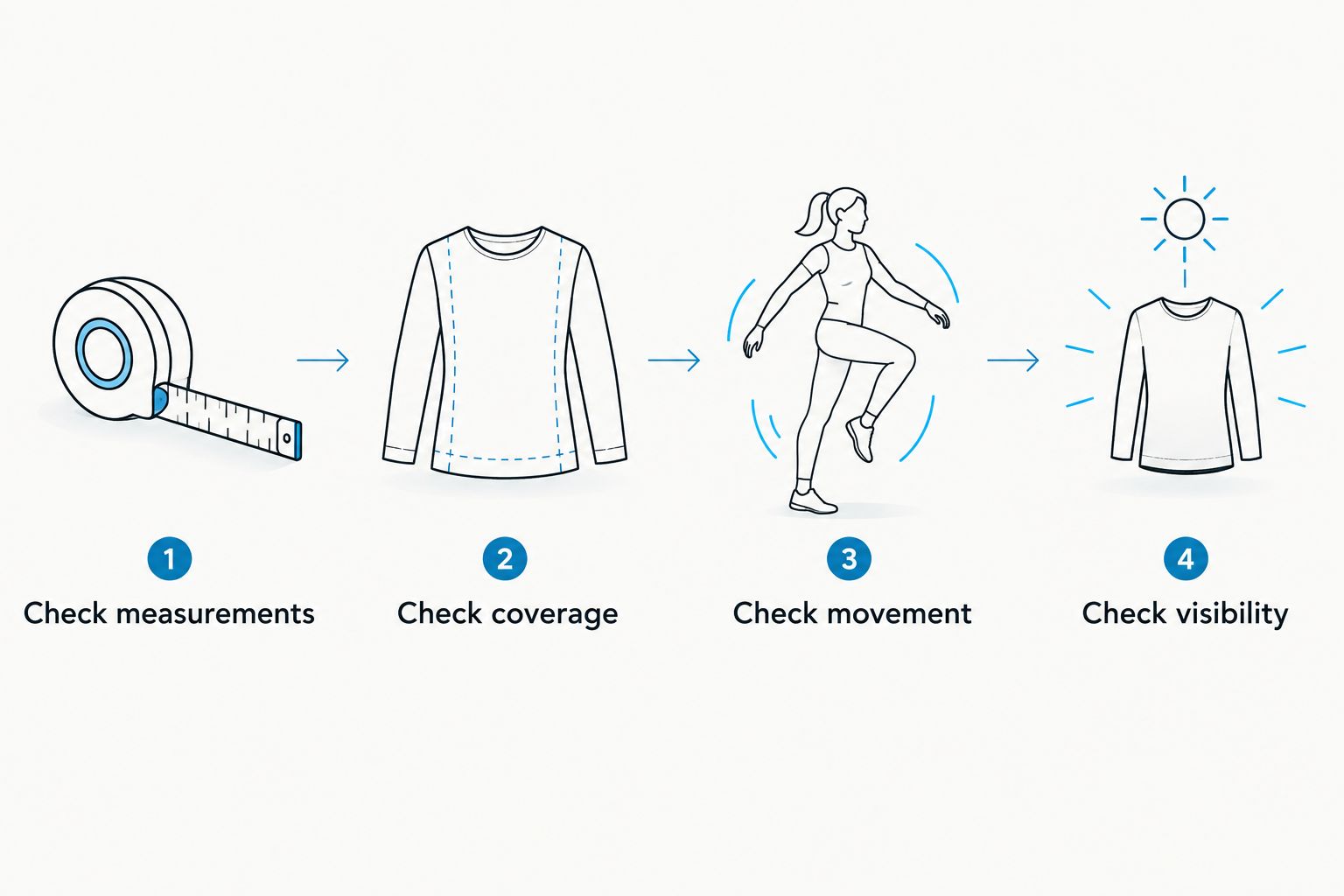
Use this sequence for your 2026 bridal fitting. Check coverage before choosing stronger compression. A garment that stays hidden and lets you move is a better match than one with more compression but incompatible edges.
Check measurements
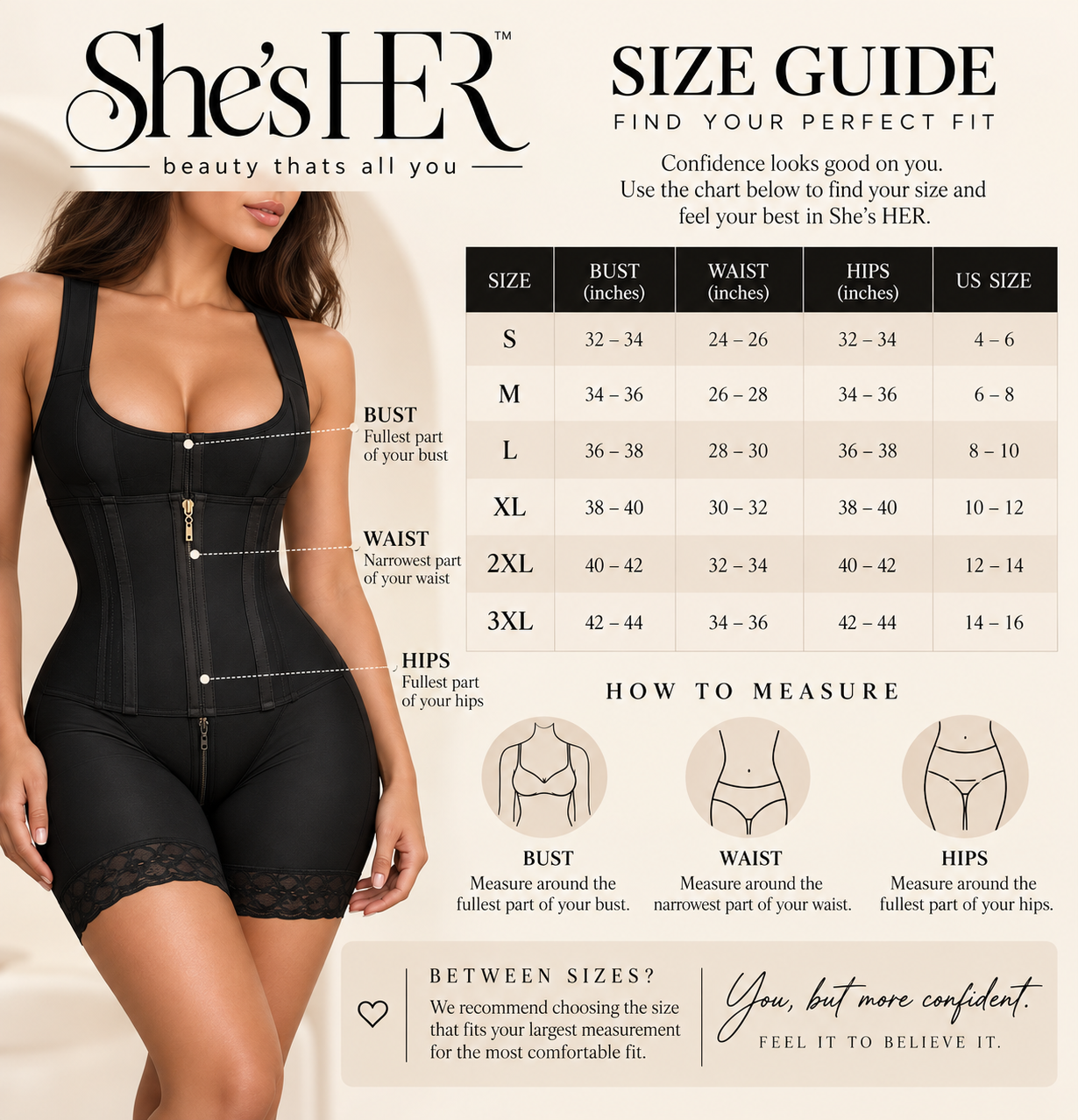
Record 3 measurements: bust, waist, and hips. Follow the individual garment’s measuring instructions and size chart rather than assuming your usual clothing size applies. Do not deliberately size down to force stronger compression.
Check coverage
Try the shapewear with the actual gown. Inspect the neckline, back, slit, and hem from multiple angles; pull neither garment into an artificial position just to make the combination work.
Check movement
Complete 4 movement checks: sit, walk, reach, and bend. Breathe normally throughout. Pain, numbness, restricted breathing, or repeated readjustment means the fit is not suitable; remove the garment rather than trying to tolerate it.
Check visibility
Make 2 lighting checks: daylight and indoor light. Inspect the outfit from the front, side, and back, looking for seam shadows, closures, waist transitions, and exposed leg edges.
Finish with a practical access check. Step in slowly, follow the garment’s fastening instructions, and establish how you will use the bathroom. If dressing requires help, include that in your wedding-day plan rather than discovering it after the gown is fastened.
Full-body options to evaluate
Sheshershop offers the following full-body compression options. Compare each product’s current details with your gown’s neckline, back, and skirt; their names do not establish that they share the same cut or construction.
Both belong in a firm-support shortlist for covered dresses. Neither replaces an actual fitting, and neither should be treated as universally invisible under wedding fabric.


How these recommendations are ranked
This 2026 guide ranks by dress compatibility first: neckline, back coverage, hem clearance, surface finish, movement, and practical access. The specific bodysuit recommendation uses the supplied product description; the other recommendations compare garment designs rather than unverified products.
The default is firm full-body support for a covered gown. Once your dress exposes the back, removes shoulder coverage, or limits leg coverage, the matching design takes priority. More coverage is not automatically better.
Which wedding shapewear should you choose?
Choose Sheshershop full-body shapewear when your covered gown accommodates it and you prefer firm support. Choose low-back shapewear for an exposed back, strapless shapewear for bare shoulders with a covered back, shorts for thigh coverage, or briefs for a smaller coverage footprint.
For your 2026 wedding, make the final decision in the gown, not from a product photograph. If every option shows, restricts movement, or needs constant adjustment, skip shapewear rather than forcing a poor match.
FAQ
What’s the best shapewear for a wedding dress in 2026?
The best shapewear for a wedding dress in 2026 matches the gown’s coverage and your preferred support. Sheshershop’s Full Body Sculpt Bodysuit is a firm full-body option for covered gowns, subject to checking its neckline, back, and leg coverage.
Can I wear high-compression shapewear under my wedding dress?
Yes, if the garment fits properly, stays covered, and allows comfortable movement and normal breathing. Do not size down to increase compression, and remove a garment that causes pain, numbness, or restricted breathing.
What shapewear works under a backless wedding dress?
A backless wedding dress needs a garment whose back and side edges remain outside the exposed area. A product labelled low-back is not automatically suitable for a completely backless gown; compare the actual outlines.
Is a bodysuit better than shaping shorts for a wedding dress?
A bodysuit is better for full-body coverage, while shaping shorts are better when you only want coverage beneath the skirt. The gown’s neckline, back, and slit determine which design fits the outfit.
Will shapewear show through a satin wedding dress?
Shapewear can show through satin when seams, closures, or edges create visible lines. Test the actual combination in daylight and indoor light; no garment is guaranteed invisible beneath every satin dress.
Should I size down in bridal shapewear?
No, choose the size indicated by the garment’s measurement chart rather than sizing down for stronger compression. Check your bust, waist, and hips, then confirm the fit while sitting and walking.
Do I need shapewear under my wedding dress?
No, shapewear is optional. Wear it only if you like the temporary smoothing or support and the complete outfit remains comfortable.
When should I try shapewear with my wedding dress?
Try your intended shapewear during dress fittings and before final alterations are completed. Repeat the check with the finished gown so coverage and movement are assessed together.
One last thing
Do a seated check before you approve the outfit. A combination that looks right standing at a mirror still needs to work while you sit down, lean forward, and get back up.
Bring the exact garment you intend to wear to your final fitting. Your natural shape does not need fixing; the goal is an outfit that feels supportive and lets you enjoy the day.