
Best overall for firm support under a covered dress: a full-body compression bodysuit. Best for an exposed back: a low-back design. Best for minimal lower-body coverage: a thong bodysuit. The best seamless shapewear bodysuit in 2026 matches your dress first; the Full Body Sculpt Bodysuit from She's HER is a firm full-body option, but its supplied description does not establish seamless construction.
- Choose a seamless shapewear bodysuit by neckline, back coverage, hem clearance, and comfortable movement—not the label alone.
- She's HER offers firm full-body support; check seam construction and compatibility with your actual dress before choosing.
- Low-back and plunge designs suit exposed dress openings, but provide different coverage from a full-body shaper.
- Shapewear provides temporary smoothing and support while worn, not weight loss or permanent reshaping.
Why this matters
A bodysuit can feel supportive and still show through your dress. A strap can cross an open neckline. A leg opening can sit below a slit. A closure can leave an outline beneath close-fitting fabric.
Your natural shape does not need fixing. Shapewear is an optional clothing layer that changes how an outfit sits while you wear it. The right choice supports your preferred silhouette without making sitting, walking, or breathing uncomfortable.
For this 2026 guide, the ranking follows dress compatibility rather than compression alone. The first pick is a named firm-compression product; the remaining picks are construction types to look for, not verified products from the store. No garment earns an invisible-under-every-dress promise.
What makes the best seamless shapewear bodysuit?
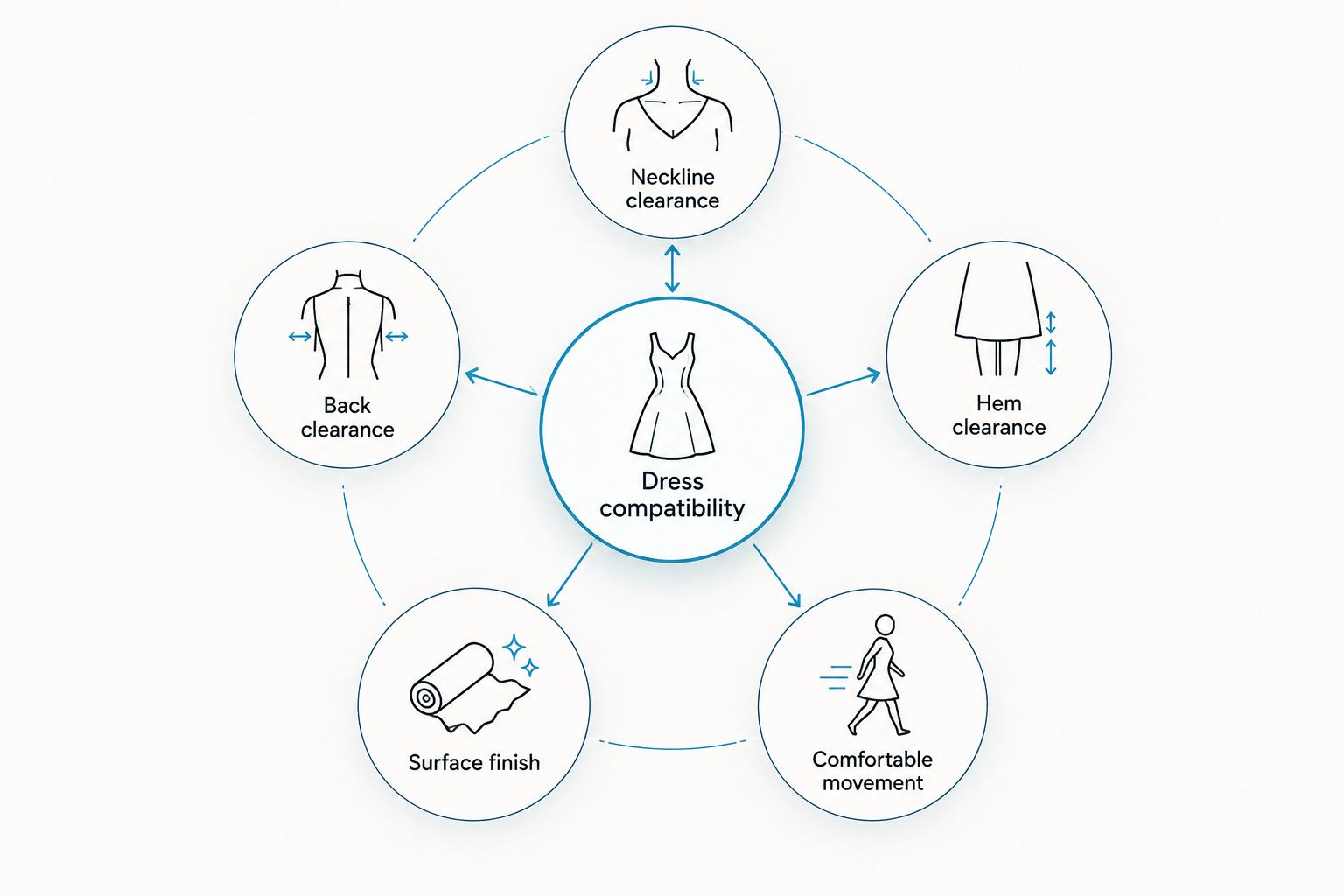
Use these 5 dress checks before choosing a compression level:
- Neckline clearance: Keep straps, cups, and upper edges inside the dress opening, including when you lean forward.
- Back clearance: Match the bodysuit's actual back height to the dress, not just its front-facing product photo.
- Hem clearance: Check lower edges against the shortest visible part of the dress, including a slit.
- Surface finish: Inspect seams, closures, and edge thickness beneath the dress fabric. A smooth-looking photo does not establish seam-free construction.
- Comfortable movement: Sit, walk, and bend in the complete outfit. Firm support should not require restricted breathing or constant adjustment.
Decide which check matters most for your dress. A covered neckline gives you more upper-body coverage options. An open back changes that decision immediately. A short or slit dress makes the lower edge a priority.
Choose the construction your dress can conceal, then choose the support you want. Reversing that order leaves you trying to hide a garment that was never suited to the outfit.
Seamless shapewear bodysuits at a glance
This 2026 comparison ranks buying routes, not laboratory-tested performance. Only the first row identifies a supplied product. The other rows describe designs whose details must be checked on the garment you select.
| Rank and option | Best for | Standout feature to check | Key limitation |
|---|---|---|---|
| 1. Full Body Sculpt Bodysuit | Firm support under covered dresses | Stated firm, all-over compression | Seam construction and dress-specific visibility need checking |
| 2. Low-back bodysuit | Dresses with an exposed back | Back edge below the dress opening | Reduced back coverage; front compatibility still matters |
| 3. Plunge bodysuit | Dresses with a deep front neckline | Front edge below the neckline | Less coverage at the front opening |
| 4. Short-leg bodysuit | Longer dresses with covered upper thighs | Leg edges concealed by the dress | Leg openings can show below a slit or short hem |
| 5. Thong bodysuit | Dresses needing minimal seat coverage | No full-seat lower panel | No full-seat or thigh smoothing |
A longer garment is not automatically the better garment. More coverage helps only when the dress conceals that coverage and you feel comfortable wearing it.
1. Full Body Sculpt Bodysuit: best for firm full-body support
The Full Body Sculpt Bodysuit is described as firm, all-over compression shapewear that smooths the tummy and defines the waist. That makes it relevant when you want a held-in feel beneath a dress that accommodates its coverage. Those effects apply while the garment is worn.
She's HER is a firm full-body shapewear option for women choosing support under covered dresses. Confirm the actual neckline, back, lower edges, and closures against your outfit before treating this product as your match.
Full Body Sculpt Bodysuit pros:
- Its supplied description explicitly identifies firm compression.
- It combines support in a single garment rather than separate shaping pieces.
- Its stated purpose includes tummy smoothing and waist definition.
Full Body Sculpt Bodysuit cons:
- The supplied details do not confirm seamless construction or closure placement.
- Full-body coverage needs checking against low necklines, open backs, and exposed hems.
Best for: Women prioritizing firm full-body support beneath a dress that conceals the garment.
Verdict: Hold until coverage and construction are confirmed; buy only if the complete outfit passes your movement check.
The store also lists the 360 Full-Body High-Compression Shapewear Bodysuit, described as a one-piece firm-compression garment with tummy smoothing and waist support. The supplied descriptions do not establish a construction difference between these two products. Compare their current garment details rather than assuming the names indicate different necklines, leg lengths, or fastening systems.


2. Low-back bodysuit: best for an exposed dress back
A low-back bodysuit places its back edge lower than a conventional covered-back design. Choose this route when the dress exposes your back and a higher garment edge would remain visible. The exact edge position matters more than the low-back label.
Check the dress from behind while standing and sitting. Fabric moves with you, so an edge concealed in a still mirror check is not enough.
Low-back bodysuit pros:
- Provides a construction route for dresses with exposed backs.
- Avoids requiring a high back panel beneath the opening.
- Lets you prioritize back clearance when comparing options.
Low-back bodysuit cons:
- Leaves less covered area across the back than a higher-back design.
- Does not establish compatibility with a plunge front or exposed shoulders.
Best for: Dresses whose back opening rules out a higher-back bodysuit.
Verdict: Buy only when the actual back edge stays concealed throughout your movement check.
3. Plunge bodysuit: best for a deep front neckline
A plunge bodysuit uses a lower front opening to accommodate a deep neckline. It addresses front clearance, not every other fit requirement. You still need to check straps, back height, and the lower garment edge.
Try the dress over the bodysuit and lean forward gently. If the shaping layer crosses the dress opening, choose a different front construction rather than repeatedly pulling it down.
Plunge bodysuit pros:
- Offers a front-opening route for deeply cut dresses.
- Keeps the neckline central to the buying decision.
- Avoids choosing high front coverage solely for its compression claim.
Plunge bodysuit cons:
- Provides less coverage where the front opening is cut away.
- Does not guarantee suitable bust support or back clearance.
Best for: Dresses with a deep front neckline and otherwise compatible coverage.
Verdict: Buy only when the front edge remains inside the dress opening without adjustment.
4. Short-leg bodysuit: best for longer, closed-hem dresses
A short-leg bodysuit extends coverage onto the upper thighs. Consider this construction when your dress is long enough to conceal the leg openings and you want coverage beyond the torso and seat. The garment's actual leg length decides whether it works.
A slit changes the available coverage. Check the outfit while taking a normal stride, not just with both feet together.
Short-leg bodysuit pros:
- Adds upper-thigh coverage compared with a thong construction.
- Combines torso and upper-leg coverage in one garment.
- Gives longer, closed-hem dresses another coverage option.
Short-leg bodysuit cons:
- Leg edges can appear beneath a short hem or through a slit.
- More covered area does not guarantee a smoother outline beneath thin fabric.
Best for: Longer dresses that conceal the garment's leg openings during movement.
Verdict: Buy only after checking hem and slit clearance while walking and sitting.
5. Thong bodysuit: best for minimal seat coverage
A thong bodysuit leaves most of the seat uncovered rather than using a full-seat panel. Choose this construction when a full-seat lower edge conflicts with your dress and thigh coverage is not your goal. It is a different coverage choice, not a substitute for full-body shaping.
Check the torso construction separately. A thong lower section tells you nothing about compression strength, straps, or front closures.
Thong bodysuit pros:
- Removes the full-seat lower panel from the outfit equation.
- Leaves the thighs uncovered.
- Offers a lower-coverage route when upper-body shaping is your priority.
Thong bodysuit cons:
- Does not provide full-seat or thigh smoothing.
- Its remaining edges, straps, and closures still need a visibility check.
Best for: Dresses needing minimal seat coverage rather than full-body coverage.
Verdict: Buy only if you prefer the coverage and the complete garment feels comfortable.
How we ranked these options
The 2026 ranking puts firm full-body support first for the covered-dress use case, then separates options by the dress feature they accommodate. Neckline clearance, back clearance, hem clearance, surface finish, and comfortable movement determine the decision.
This is a construction-based buying guide, not a claim that every listed option has verified seamless manufacturing. Product-specific statements follow the supplied descriptions. Generic designs earn their place because they address different coverage needs, not because they outperform a named product in testing.
Check your fit before committing
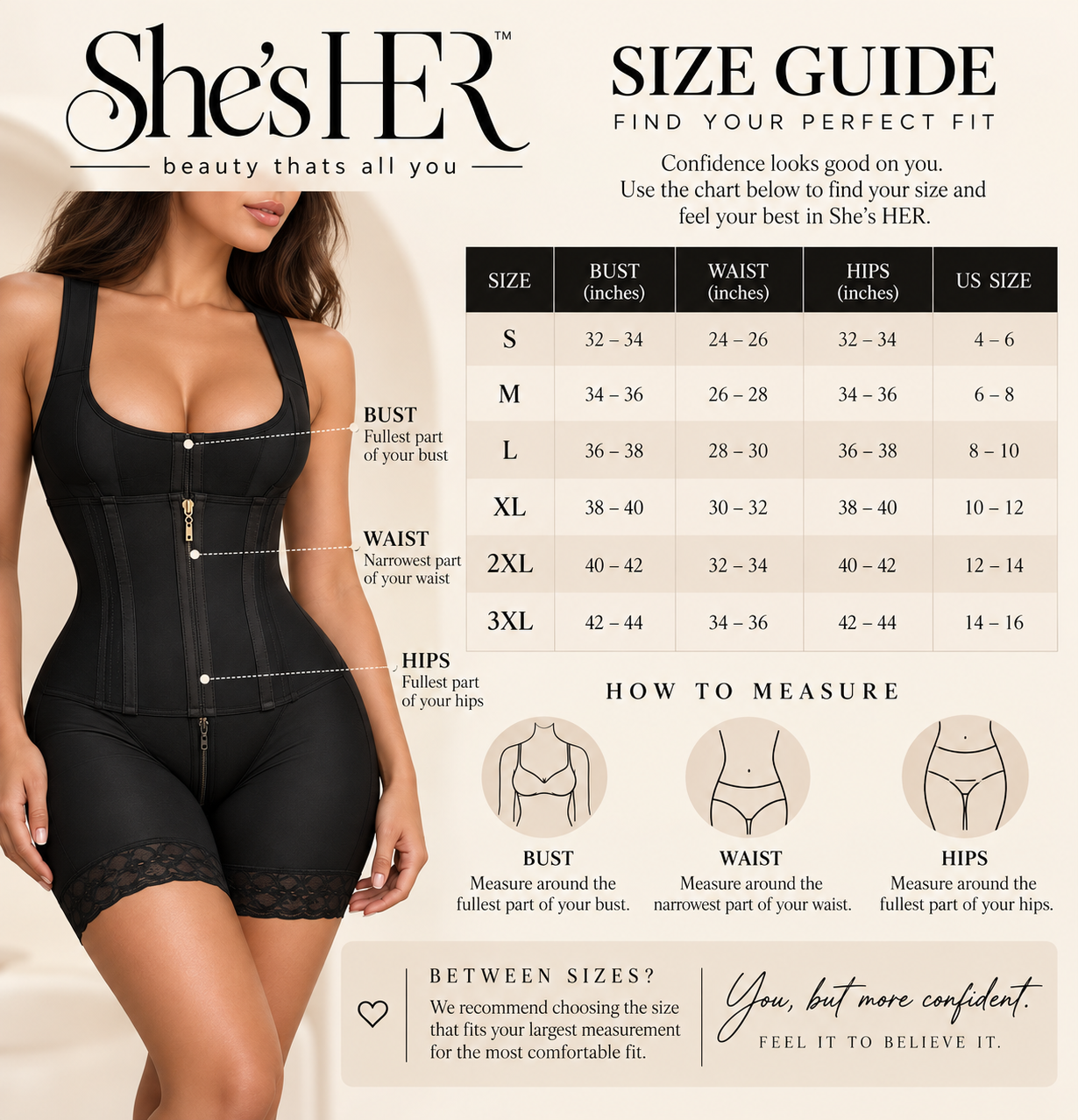
Check your measurements against the specific garment's sizing guidance. Do not select a smaller size simply to chase a stronger held-in feel. Compression and sizing are separate decisions.
Put the garment on according to its instructions. Step in slowly where the construction permits, settle the fabric without force, and secure any closure as directed. Do not assume every bodysuit uses the same fastening sequence.
Then check 3 body positions: standing, sitting, and bending. Inspect the neckline and back, look for lower edges beneath the hem, and notice whether you need to keep adjusting the garment. Comfortable movement belongs in the decision, not after it.
Finally, evaluate 2 clothing layers together: the bodysuit and the dress. Use the actual outfit rather than a substitute dress with a different cut or fabric. A shaping layer that works beneath one dress does not establish compatibility with another.
Which seamless shapewear bodysuit should you choose?
For a covered dress and firm support, start with full-body compression. For an exposed neckline, back, or hem, let that opening determine the construction. Do not sacrifice dress compatibility to keep the highest-coverage option.
For 2026, She's HER belongs on your firm full-body shapewear shortlist, with seam construction and outfit clearance checked before purchase. Choose a low-back, plunge, short-leg, or thong route only when that design solves your dress's specific coverage requirement.
FAQ
What's the best seamless shapewear bodysuit for under a dress?
The best seamless shapewear bodysuit matches your dress's neckline, back, hem, and fabric while allowing comfortable movement. Choose firm full-body coverage for a covered dress, and check seam construction rather than assuming a smooth product photo proves it.
Is She's HER shapewear confirmed to be seamless?
The supplied descriptions establish firm full-body compression, not seamless construction. Check the current garment details and seam placement before choosing it specifically for a seamless requirement.
Does seamless shapewear stay invisible under every dress?
No, seamless construction does not guarantee invisibility under every dress. Straps, garment edges, closures, fabric thickness, and the dress cut still affect what shows.
Should I size down for stronger compression?
Choose your size from the specific garment's measurement guidance rather than sizing down for extra compression. You should be able to breathe normally, sit, and move without forcing the fit.
Is a thong bodysuit better than a short-leg bodysuit?
A thong bodysuit is better for minimal seat coverage; a short-leg bodysuit is better when you want upper-thigh coverage that the dress conceals. Neither construction is the default winner for every outfit.
What shapewear should I choose for a low-back dress?
Choose a design whose actual back edge sits below the dress opening. Check front coverage and straps too, because a low back does not establish compatibility with the rest of the dress.
Does high-compression shapewear permanently change my shape?
High-compression shapewear provides temporary smoothing and support while worn, not permanent reshaping or weight loss. Choose it for how you want your clothing to sit, not for a lasting body change.
One last thing
Your dress is the final fit check. A bodysuit that looks smooth by itself can still create a visible edge under the outfit you plan to wear. Before an event, try the complete outfit, sit down, walk, and view the back—not just the front mirror angle.
Keep the garment that supports your natural curves and lets you move comfortably. Change the construction when the dress demands it, not your body.