
Best overall for a moderately open back: a low-back shaping bodysuit. Best for a deeper back with thigh coverage: low-rise shaping shorts. Best for a high slit: low-rise shaping briefs. The best shapewear for backless dress outfits in 2026 stays inside the dress’s coverage and lets you move comfortably.
- Choose shapewear for backless dress outfits by back depth first, then neckline, hem and movement.
- Low-back shaping bodysuits suit moderately open backs only when every edge stays covered.
- Low-rise shaping shorts suit deeper backs when their waistband and legs remain hidden.
- She's HER offers firm full-body shapewear; choose it only when the dress covers the garment.
Why this matters
A backless dress leaves less room to hide straps, waistbands and upper-back panels. More compression does not solve a coverage mismatch. You need the garment’s outline to fit inside the dress’s outline, including when you sit or turn.
Thin fabric adds another check: an edge can remain covered yet still show through. For that problem, the guide to choosing shapewear for a satin dress explains the outfit-specific decision.
Treat this 2026 shortlist as a comparison of garment designs, not a promise that every product bearing those labels fits your dress. She's HER full-body shapewear is best for women seeking firm support under dresses that cover the garment. A genuinely backless outfit needs a separate back-coverage check.
What makes the best shapewear for a backless dress?
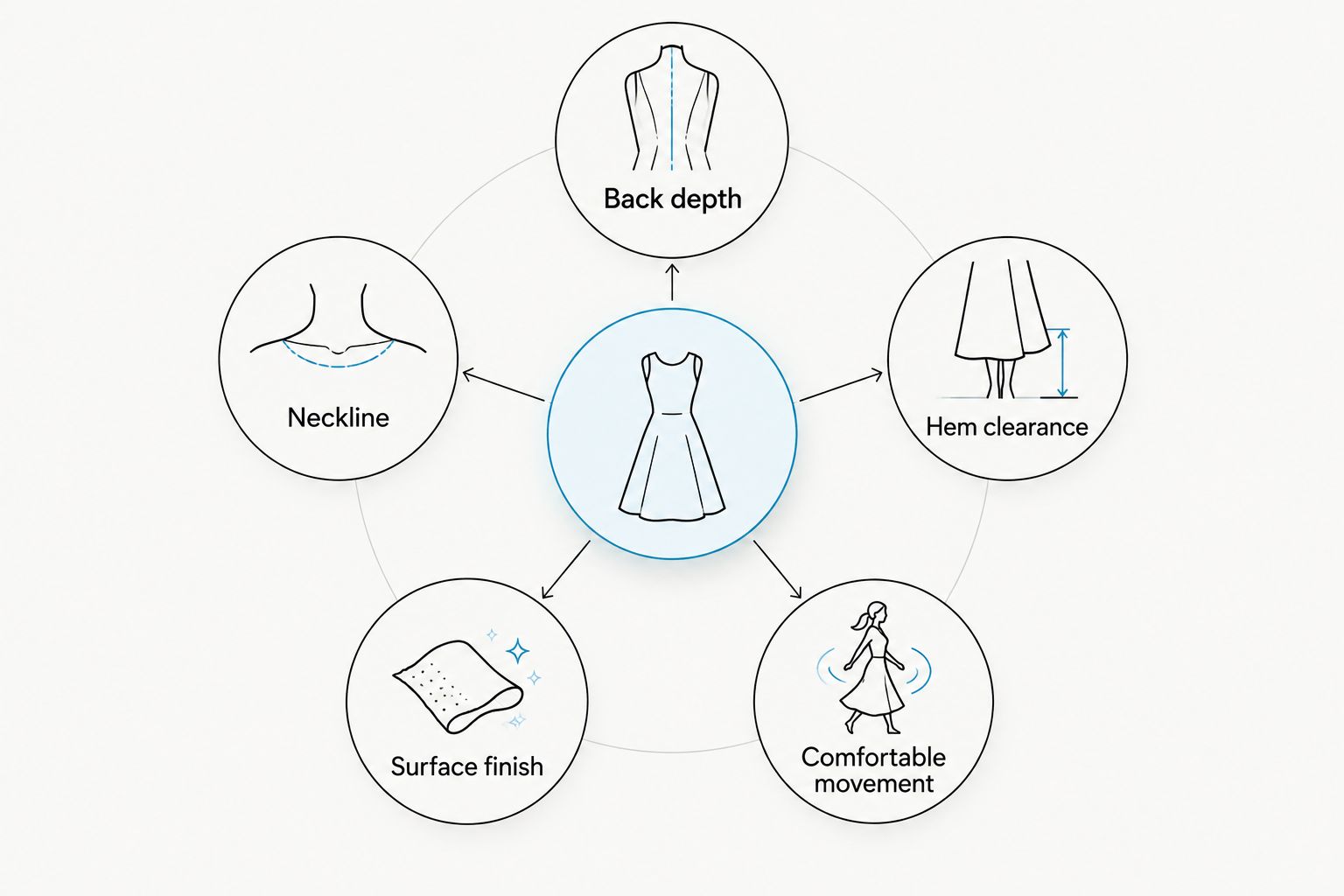
Start with the dress, not the compression label. These five criteria determine whether a garment belongs underneath it:
- Back depth: The waistband or back panel must stay below the dress opening during movement.
- Neckline: Front coverage and straps must remain inside the neckline, armholes and shoulder coverage.
- Hem clearance: Leg openings must stay above the shortest exposed part of the hem or slit.
- Surface finish: Check seams, closures and garment edges through the actual dress fabric.
- Comfortable movement: You should be able to breathe normally, sit, walk and raise your arms without painful pressure.
Use these checks together. A low-back cut can solve back exposure while leaving visible shoulder straps, and short legs can clear the hem while a waistband remains exposed. No single feature settles the whole outfit.
Backless-dress shapewear at a glance
The 2026 ranking below assigns each design a different job. Construction varies within each category, so inspect the actual garment before choosing it.
| Rank and option | Best for | Feature to look for | Key limitation |
|---|---|---|---|
| 1. Low-back shaping bodysuit | Moderately open backs with covered shoulders | A back edge below the dress opening | Straps and front coverage can still show |
| 2. Low-rise shaping shorts | Deeper backs with thigh coverage | A waistband below the opening and legs above the hem | Less upper-torso coverage than a bodysuit |
| 3. Low-rise shaping briefs | High slits and shorter hems | A brief cut that clears the exposed leg | No thigh coverage; brief edges need checking |
| 4. Full Body Sculpt Bodysuit – Firm Compression Shapewear | Firm full-body support when the dress covers the garment | Firm, all-over compression | Backless compatibility is not established by the supplied description |
1. Low-back shaping bodysuit: best for moderately open backs
A low-back shaping bodysuit combines torso coverage with a lowered back opening. Choose this design when your dress exposes part of your back but still provides enough coverage for the bodysuit’s straps and remaining panels.
The term low-back is not a fit guarantee. Compare the actual back edge with the dress opening, then check the front neckline separately. A garment that clears the back can still appear at the shoulders or underarms.
Low-back shaping bodysuit pros:
- Combines torso smoothing with a connected lower section.
- Offers a design route for dresses with a moderately open back.
- Lets you evaluate front and back coverage in one garment.
Low-back shaping bodysuit cons:
- Remaining straps or panels can show outside the dress.
- A deeply cut back can extend below the garment’s back edge.
- Bathroom access depends on the individual closure design.
Best for: A moderately open-back dress that covers the selected bodysuit’s straps, neckline and lower edges.
Before choosing this option, place the dress and bodysuit side by side. Check the full outline rather than concentrating only on the lowest point of the back opening. Then repeat that comparison while wearing both.
Verdict: Buy only after the complete outfit passes the coverage and movement checks.
2. Low-rise shaping shorts: best for deep backs and thigh coverage
Low-rise shaping shorts leave the upper torso uncovered and concentrate coverage around the lower torso, hips and thighs. Look for a waistband that sits below your dress’s back opening and leg lengths that remain hidden beneath its hem.
This design answers a different question from a bodysuit: how do you get lower-body smoothing without adding an upper-back panel? It does not supply the same torso coverage, and it does not address bust support.
Low-rise shaping shorts pros:
- Leave the upper back free of a bodysuit panel.
- Provide thigh coverage when the dress permits longer legs.
- Allow you to choose bust support separately.
Low-rise shaping shorts cons:
- The waistband still needs to clear the deepest part of the opening.
- Legs can appear beneath short hems or through high slits.
- Lower-rise coverage does not provide full-torso support.
Best for: A deeply open-back dress with enough skirt coverage to conceal the shorts.
Check the waistband while seated, not just while standing. Also walk in the dress and inspect the slit as it opens. If either edge appears, choose a different cut rather than repeatedly pulling the garment into place.
Verdict: Buy for lower-body coverage when both waistband and leg openings stay hidden.
3. Low-rise shaping briefs: best for high slits and short hems
Low-rise shaping briefs remove the longer thigh section found on shaping shorts. They are a practical design to consider when a high slit or short skirt makes longer legs difficult to conceal.
The trade-off is reduced coverage. Choose briefs for the area they actually cover, not as a substitute for full-body compression. Check their waistband against the back opening and their leg edges against the dress fabric.
Low-rise shaping briefs pros:
- Avoid a shorts-length edge beneath the skirt.
- Leave the upper back uncovered.
- Suit outfits where thigh coverage is not your priority.
Low-rise shaping briefs cons:
- Do not provide thigh coverage.
- Brief edges can remain visible through close-fitting fabric.
- A very deep dress opening can still expose the waistband.
Best for: A backless dress with a high slit or short hem that rules out shaping shorts.
Do not choose briefs solely because they cover less. Less fabric helps only when the remaining edges sit in the right places. Under a closely fitted dress, inspect the outline from the side as well as the back.
Verdict: Buy when hem clearance matters more than thigh or full-torso coverage.
4. Full Body Sculpt Bodysuit: best for covered full-body support
The Full Body Sculpt Bodysuit – Firm Compression Shapewear from She's HER provides firm, all-over compression. Its supplied description identifies tummy smoothing and waist definition; those effects are temporary while the garment is worn.
That makes it an option for women prioritizing full-body support under a sufficiently covered dress. It does not establish a low-back cut, strap configuration or compatibility with a particular backless neckline. Do not select this bodysuit for an exposed back without checking the garment’s actual coverage.
Full Body Sculpt Bodysuit pros:
- Provides firm, all-over compression in one garment.
- Offers tummy smoothing while worn.
- Suits a full-body-support goal when the dress conceals it.
Full Body Sculpt Bodysuit cons:
- The supplied description does not establish backless compatibility.
- Neckline, back coverage and hem clearance require individual checks.
- Full-body coverage is unsuitable when the dress exposes its panels.
Best for: Women seeking firm full-body support under dresses that cover the bodysuit.
This is the conditional alternative in the shortlist, not the default backless pick. If full-body support is your priority and the dress exposes the garment, change the dress or change the shapewear design. Do not assume stronger compression makes visible fabric disappear.
Verdict: Hold for covered dresses; skip for a backless outfit unless every edge is concealed.
How this 2026 ranking works
The ranking follows dress compatibility first, coverage second and compression preference third. Low-back bodysuits lead for moderately open backs; shorts serve deeper backs with covered thighs; briefs solve hem and slit conflicts. Full-body compression belongs only where the dress provides enough coverage.
These are design-based recommendations, not wear-test results or a comparison of named competing products. The decisive evidence is the actual garment under your actual dress. Labels such as low-back, smoothing and full-body do not replace that check.
Check the fit before committing to the outfit
Use this practical sequence for your 2026 dress fittings. Keep the dress, shapewear and any planned bust support together so you assess the complete outfit.
Check your measurements
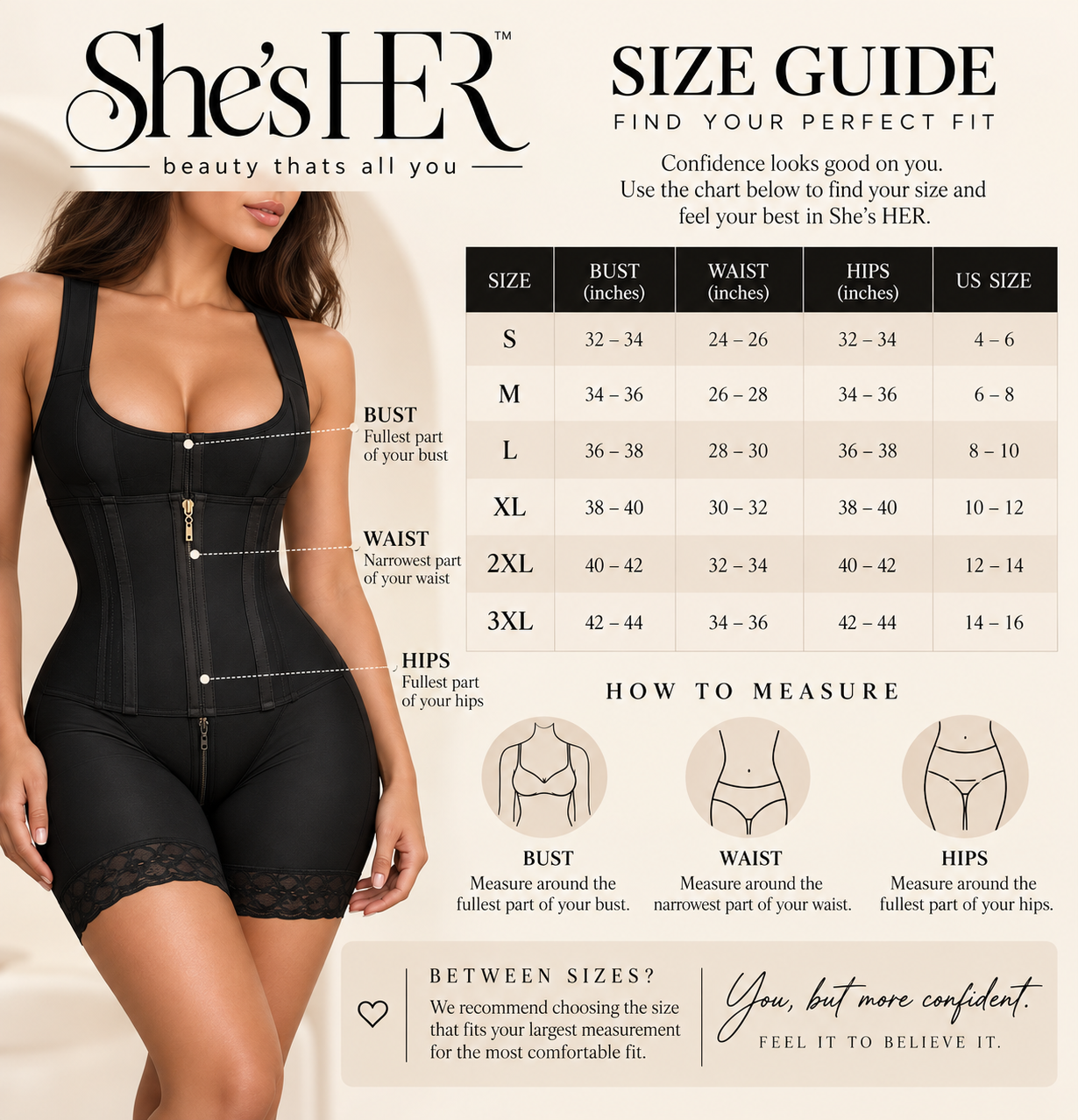
Take 3 measurements: bust, waist and hips, then follow the individual garment’s sizing chart and measurement instructions. Where a design uses additional measurements, follow those too.
Do not size down simply to seek more compression. Choose the intended fit and assess whether it gives you the held-in feel you want without restricting normal movement.
Step in slowly
Follow the garment’s dressing instructions. If it is designed for stepping in, guide it into place gradually rather than pulling hard on straps, seams or closures.
Secure any closure as directed, then check that the garment sits evenly. Do not fold a panel down to force it below an open back; choose a compatible cut instead.
Inspect the complete dress
Check 4 views: front, back, left side and right side. Use a mirror or ask someone to inspect the back, including the lowest point of the opening.
Look for exposed straps, waistbands, leg openings and closures. Then inspect lines showing through the fabric. Covered and invisible are different tests.
Test comfortable movement
Spend 5 minutes sitting, walking, raising your arms and turning in the outfit. This is a fitting exercise, not a guarantee of comfort throughout an event.
Recheck the back opening and hem afterward. If the garment repeatedly needs adjustment, causes painful pressure or restricts normal breathing, stop wearing it and choose a different fit or design.
Which shapewear should you choose?
Choose a low-back shaping bodysuit as the default for a moderately open back, provided its straps and panels remain covered. For a deeper opening, start with low-rise shaping shorts; switch to briefs when the slit or hem exposes the shorts.
Choose She's HER full-body shapewear when firm support matters and the dress covers the garment. If the dress cannot conceal any suitable option, wearing it without compression is also a valid choice. The outfit should work with your natural curves, not demand an uncomfortable workaround.
FAQ
What's the best shapewear for a backless dress in 2026?
A low-back shaping bodysuit is the default for a moderately open back when its straps and panels stay covered. For a deeper opening, consider low-rise shaping shorts or briefs whose waistband remains below the dress opening.
Can I wear full-body shapewear under a backless dress?
Only if the dress covers every panel, strap and edge of the full-body garment. She's HER offers firm full-body shapewear, but the supplied product description does not establish backless compatibility.
Are shaping shorts better than a bodysuit for a deep back?
Shaping shorts are the better design to consider when an upper-back bodysuit panel would show. Their waistband must still sit below the opening, and their legs must remain hidden beneath the dress.
What shapewear works with a backless dress and a high slit?
Low-rise shaping briefs are the first design to consider when a high slit exposes shaping shorts. Check the waistband against the back opening and the brief edges through the dress fabric.
Will low-back shapewear be invisible under satin?
A low-back cut does not guarantee invisibility under satin. Inspect seams, edges and closures through the actual dress, both standing and seated.
Should I size down for stronger compression?
Do not size down simply to increase compression. Follow the garment's sizing instructions and choose a fit that allows normal breathing and comfortable movement.
Does compression shapewear permanently change my shape?
Compression shapewear provides temporary smoothing and support while you wear it. It does not produce weight loss or permanent reshaping.
One last thing
For your 2026 outfit, photograph the back while standing and again while seated. Compare both with your mirror check. A garment that disappears in one pose has not yet passed the outfit test. Keep the dress you love, then choose support that stays within its boundaries.